
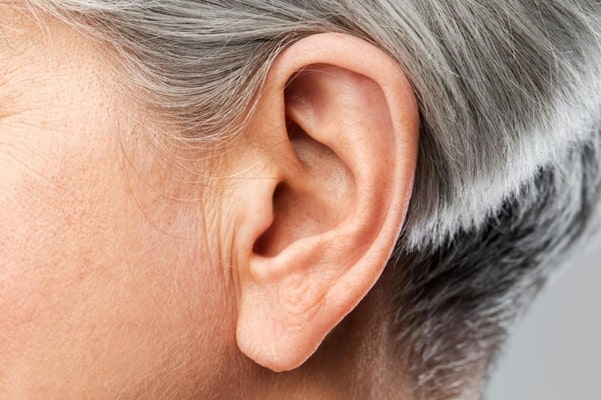
As we age, our bodies go through numerous changes, including changes in our hearing abilities. But did you know that the food we consume can also have a significant impact on our hearing as we get older? The connection between nutrition and senior hearing abilities is often overlooked, yet it plays a crucial role in maintaining our auditory health.
In this piece, we dive deep into the world of nutrition and how it affects our ability to hear in our golden years. Read on.
The Connection Between Nutrition and Hearing
The inner ear is a delicate and complex system that relies on a healthy blood supply and the proper function of nerve cells to translate sound waves into signals the brain can interpret. Nutrient deficiencies can impair these functions.
This increases the risk of hearing loss. Several vitamins and minerals are essential for maintaining the integrity of auditory pathways.
Key Nutrients That Support Hearing Health
As we age, our hearing abilities naturally decline, but the right nutrients can help support hearing health and slow this decline. Here are the key nutrients that help hearing health:
Antioxidants (Vitamins C and E):
Free radicals generated through metabolic processes or environmental exposures can damage the delicate cells in the inner ear. Antioxidants help neutralize these harmful molecules. Studies have shown that seniors with higher intakes of vitamins C and E may have a lower risk of age-related hearing loss.
Vitamin B12 and Folate:
These B vitamins are crucial for nerve function and red blood cell production. A deficiency in vitamin B12, in particular, has been linked to tinnitus (ringing in the ears) and noise-induced hearing loss. Ensuring adequate intake may help preserve the health of auditory nerves.
Magnesium:
Magnesium helps protect against noise-induced hearing loss by supporting blood flow and reducing the impact of loud noises on the inner ear. Seniors often have lower magnesium levels. This makes supplementation or magnesium-rich foods like leafy greens and nuts especially beneficial.
Omega-3 Fatty Acids:
Found in fatty fish like salmon and mackerel, omega-3s have anti-inflammatory properties and help improve circulation. Several studies suggest that individuals with diets rich in omega-3s may have better hearing. This is because they age compared to those with a lower intake.
Zinc:
Zinc supports the immune system and helps the body heal. It may also play a role in preventing age-related hearing decline and is sometimes used as part of treatments for tinnitus.
Diet and Lifestyle Recommendations
To support hearing health in seniors, a balanced diet rich in fruits, vegetables, lean proteins, whole grains, and healthy fats is key. Some foods provide a strong foundation of the nutrients needed for optimal ear health, such as
spinach
citrus fruits
avocados
nuts
seeds
fish
eggs
Hydration is also essential, as dehydration can affect the inner ear’s fluid balance and hearing function. Limiting sodium, caffeine, and alcohol can further support hearing.
It is known to contribute to fluid imbalances and blood pressure fluctuations. It is also helpful to consult experts for more tips for seniors to protect their hearing.
Start Eating Well to Hear Well
While nutrition is not a cure-all, it is a powerful tool for prevention and maintenance. Seniors looking to preserve their hearing should consider speaking with a healthcare provider or nutritionist about their diet. By understanding the link between what we eat and how we hear, we can take proactive steps toward healthier aging and a better quality of life.
If you want to read more articles, visit our blog.

Articles published under the Editorial Desk byline may include material from various sources and are reviewed internally to ensure clarity, factual consistency, and compliance with the site’s editorial standards. Content is published for general informational purposes only and follows applicable content and publishing guidelines