
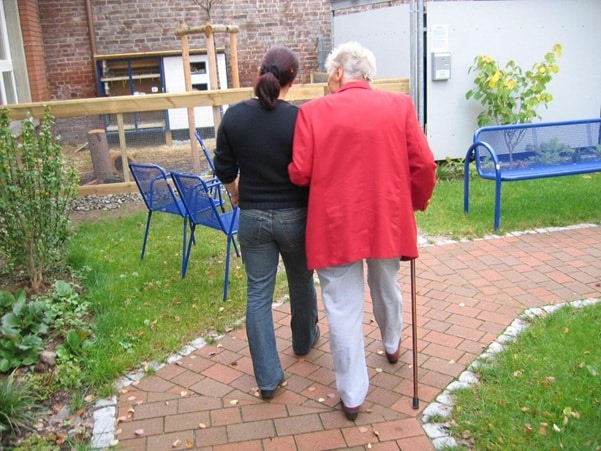
Moving into a new place, even for a short time, can feel overwhelming-especially for seniors used to the comfort of home. But what if this change didn’t have to be stressful? With the right mindset and simple strategies, short-term stays can become not just manageable but even enjoyable.
In this guide, we’ll show you how to make any temporary living space feel familiar, safe, and welcoming. You’ll learn easy tips that help ease the transition and boost confidence. Keep reading-you’re just a few steps away from making short-term stays feel like home.
Understanding the Needs of Seniors
Seniors face unique challenges during short-term stays, especially when dealing with health changes, limited mobility, or emotional stress. Personal touches like family photos, easy-to-navigate spaces, and trained support staff can make a big difference. Meeting these needs helps seniors feel safe, calm, and more at home.
Choosing the Right Amenities
Choosing age-friendly short-term housing can affect a senior’s comfort and well-being. Key features to look for include safety rails, step-free access, and clear signage. These details help reduce stress and support independence during their stay.
Health and Wellness Services
Choose places that offer on-site health care services like physical therapy, check-ups, and medication help. These services keep seniors safe and supported. Quick access to care brings peace of mind.
Social Activities
Social isolation is a common challenge for seniors during transitions. Picking a place with organized activities helps them connect and stay engaged. Group exercises, art classes, and game nights can boost their mood and mental health.
Preparing for the Transition
Preparing ahead ensures a smoother experience for seniors. First, gather details about the facility, staff, and services available. Next, provide health information, including medications, and visit the place if you can, so the senior feels more comfortable and confident.
Communication is Key
Maintain open lines of communication with your loved one throughout their stay. Frequent check-ins can help reassure them and address any concerns. Utilizing technology, such as video calls and messaging apps, can help bridge the gap and foster a connection with family and friends. Remind seniors that they’re not alone during this transition and that they can reach out when they need support.
Adjusting to Health Needs
Health management is crucial during short-term stays. Make sure meals fit dietary needs and plan for healthcare support if needed. Regular health checks help catch any issues early, and seniors feel cared for and secure.
Creating a Comforting Environment
Comfort is key when adjusting to short-term stays. Bringing in familiar items, like a favorite blanket, photos, or books, can help make the space feel more like home. These small changes can reduce stress and make the senior feel more comfortable.
It’s also important to choose places that match the senior’s interests. Learn about short-term stays in Napa Valley, where comfort meets beautiful surroundings. These locations offer a relaxing environment that makes the stay more enjoyable.
Helping Seniors Settle In With Ease
Short-term stays don’t have to be stressful. With the right steps, seniors can feel safe, supported, and comfortable. From picking the right place to building a daily routine, small actions make a big difference. Make sure their needs come first and keep the environment calm and friendly. Start planning now to create a smoother, happier stay.
For more helpful tips, check out the rest of our blog.

Articles published under the Editorial Desk byline may include material from various sources and are reviewed internally to ensure clarity, factual consistency, and compliance with the site’s editorial standards. Content is published for general informational purposes only and follows applicable content and publishing guidelines