
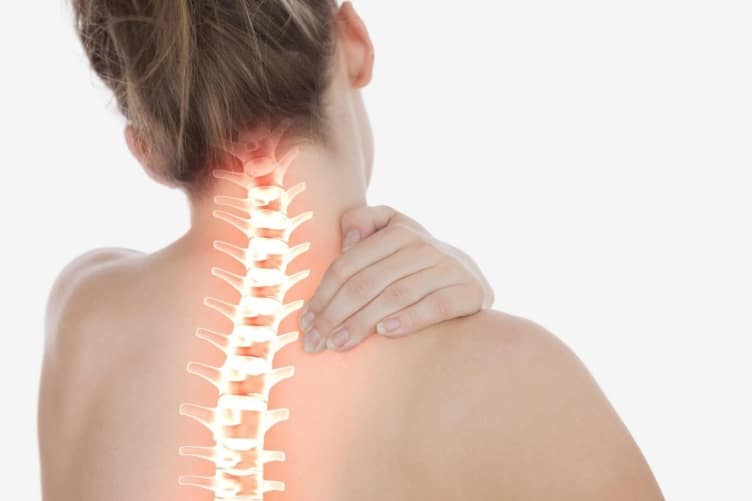
A healthy spine is essential for maintaining good posture, reducing pain, and improving your mobility. When your spine is in good condition, your whole body functions better. It’s connected to many different parts of your health, such as your nerves and muscles.
Understanding how your spine affects your well-being can help you make healthier choices in your daily life. In this blog, we will explore the importance of spinal health and how you can maintain it for a better quality of life.
The Role of the Spine in Your Health
The spine is the central support structure of your body. It protects the spinal cord, which is a key part of the nervous system. The spine connects to many parts of your body, including muscles, nerves, and bones.
When your spine is healthy, it helps your body stay balanced and move freely. If the spine is misaligned or damaged, it can affect the way you feel and move. Maintaining spinal health can help keep your body working as it should.
Good Posture and Spinal Health
Good posture is one of the easiest ways to protect your spine. When you sit or stand up straight, you help support the natural curves of your spine. Poor posture, like slouching or hunching over, can put pressure on your spine and cause pain.
It may lead to other health issues, such as headaches or neck pain. Practicing good posture every day can prevent these problems and keep your spine in better shape.
How Spinal Health Affects Your Nerves
Your spine is connected to your nervous system. The spinal cord runs through the vertebrae, which are the bones of your spine. These vertebrae protect the spinal cord and allow nerves to travel throughout your body.
When there are problems with the spine, like misalignments or injuries, it can cause nerve pressure. This can lead to pain, numbness, or weakness in different parts of your body. Keeping your spine healthy helps ensure that your nervous system works properly.
Spinal Health and Muscle Function
Your muscles rely on your spine for support. If your spine is misaligned, it can affect how well your muscles work. For example, an unhealthy spine can cause muscle tightness or weakness in your back and legs.
These muscle problems can lead to pain and discomfort. By taking care of your spine, you can help prevent muscle strain and improve flexibility. This, in turn, helps with mobility and reduces the risk of injuries.
The Connection Between Spinal Health and Stress
Did you know that spinal health can affect how stressed you feel? When your spine is out of alignment, it can cause pain and discomfort that may make you feel more stressed. Chronic pain from a misaligned spine can make it harder for you to relax and enjoy daily activities. Additionally, stress can make spinal problems worse, leading to a cycle of discomfort.
Taking care of your spine can help reduce stress and make it easier to stay calm and focused.
Improving Spinal Health
Regular exercise is one of the best ways to keep your spine healthy. Stretching and strengthening exercises can help keep your back, neck, and muscles in good condition. Activities like swimming, walking, or yoga are great for spinal health because they strengthen muscles and improve flexibility.
When your muscles are strong and flexible, they support your spine better and help prevent pain. Regular exercise can improve your posture, which helps protect your spine.
Decompression Treatment
Sometimes, people with spine issues may need extra help. Decompression treatment options are therapies that aim to relieve pressure on the spine. These treatments may help ease pain caused by conditions like herniated discs or sciatica.
Decompression can be done through various methods, such as stretching or using special machines to reduce pressure on the spine. It’s a non-surgical approach that can provide relief for some people, making it easier to move and feel better.
How Diet Affects Spinal Health
What you eat can play a role in how healthy your spine is. A balanced diet with enough calcium and vitamin D helps keep your bones strong. Healthy bones are essential for supporting your spine and protecting the nerves inside it.
Eating foods like dairy products, leafy greens, and fish can provide the nutrients needed for bone health. Staying hydrated is important as it helps keep the discs in your spine flexible and strong. A healthy diet, along with regular exercise, can keep your spine in good condition.
The Importance of Sleep for Spinal Health
Getting enough sleep is crucial for spinal health. When you sleep, your body has the chance to rest and repair itself. The position you sleep in can also affect your spine.
Sleeping on your back with a pillow that supports your neck is one of the best positions for spinal health. Avoid sleeping on your stomach, as it can put extra pressure on your spine and neck. By making sleep a priority and choosing the right sleeping position, you can help your spine recover and stay healthy.
Preventing Back Pain
Back pain is one of the most common problems related to spinal health. Fortunately, there are many ways to prevent it. Using good posture when sitting, standing, and lifting can protect your back.
Avoid sitting for long periods without moving, and take breaks to stretch your muscles. When lifting heavy objects, use your legs instead of your back. These habits can help you avoid strain on your spine and reduce the risk of pain.
The Role of Chiropractic Care
Chiropractic care focuses on treating spinal issues and misalignments in the spine. Chiropractors use manual adjustments to realign the spine and reduce pain. Many people find relief from chronic pain, headaches, and back discomfort through chiropractic care.
Regular visits to a chiropractor can help maintain spinal health and prevent problems in the future. If you have spinal concerns, consulting a chiropractor might help manage and improve your condition.
Healthy Spine Leads to a Healthier You
Taking care of your spine is essential for your health and well-being. A healthy spine helps improve posture, reduce stress, and support muscle and nerve function. It plays a key role in preventing back pain and other issues.
By practicing good habits, exercising regularly, and seeking professional help when needed, you can keep your spine healthy and enjoy a better quality of life. Remember, spinal health affects everything from your mobility to your mental well-being. Prioritize your spine for a healthier you.
Did you like this guide? Great! Browse our website for more!

Articles published under the Editorial Desk byline may include material from various sources and are reviewed internally to ensure clarity, factual consistency, and compliance with the site’s editorial standards. Content is published for general informational purposes only and follows applicable content and publishing guidelines