
Have you ever wondered why raw cannabis doesn’t get you high, but smoking it does?
The answer lies in two key compounds: THC and THCA. While they may sound similar, they have different effects on the body. One can make you feel euphoric, while the other offers possible health benefits without the high.
Understanding the difference can help you make better choices. Whether for wellness or recreation, knowing how these compounds work is key to unlocking cannabis’s full potential.
Chemical Structure
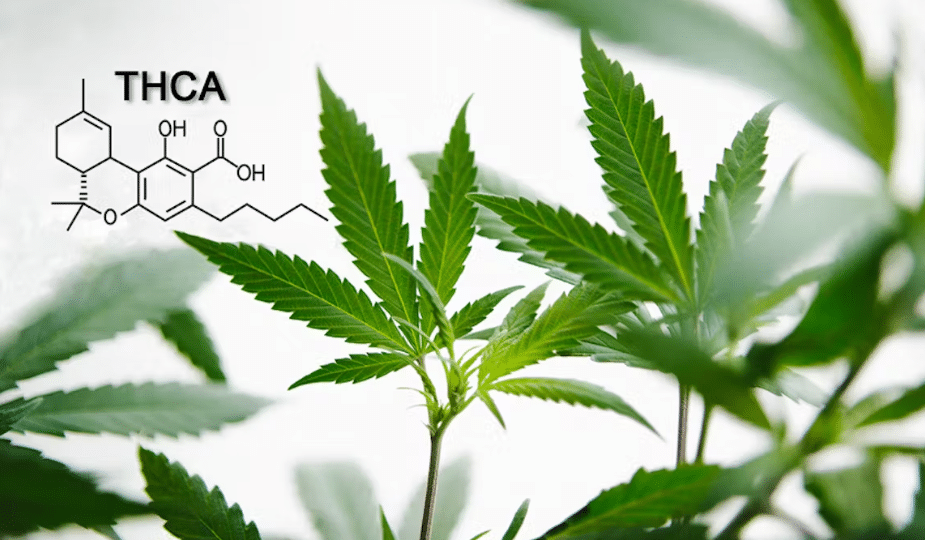
THCA is a cannabinoid found in raw cannabis plants. It has a carboxyl group attached to its molecular structure. This extra group prevents it from interacting with receptors in the same way as THC.
When cannabis is heated, THCA loses its carboxyl group through decarboxylation. This process changes its chemical structure and turns it into THC.
Since their effects depend on their chemical makeup, you should understand why they differ at a molecular level. The way they interact with the body starts with this structural change.
Psychoactive Effects
THC interacts with CB1 receptors in the brain. This interaction causes changes in perception, mood, and cognition. These effects make THC the main compound responsible for the high from cannabis.
THCA does not bind well to CB1 receptors in its natural form. Because of this, it does not produce psychoactive effects. People who consume raw cannabis with THCA will not experience a high.
Consumption Methods
THCA is present in fresh cannabis plants. People can consume it by juicing raw cannabis, using tinctures, or taking capsules. These methods allow the body to absorb THCA without heat exposure.
THC requires decarboxylation before it becomes active. This happens when cannabis is smoked, vaped, or cooked. When consumed this way, THC produces its well-known effects.
Legal Status
Some laws treat THCA differently from THC. Because THCA is non-psychoactive, it may be legal in areas where THC is not. However, once heated, it converts into THC, which could change its legal status.
THC is regulated more strictly in many places. It is often classified as a controlled substance due to its psychoactive properties. The laws vary depending on the country or state.
Potential Benefits
THCA has been studied for its potential health benefits. Research suggests it may help reduce inflammation and protect nerve cells. Some studies also explore its role in easing nausea and other symptoms.
THC is known for its ability to relieve pain. It is also used to stimulate appetite and reduce nausea. Medical cannabis programs often focus on THC’s therapeutic effects.
Unlocking the Power of Cannabis
Cannabis is more than just a plant-it’s a science of compounds working together. Knowing how THC and THCA function can help you use cannabis in a way that best fits your needs. Whether you want relief, relaxation, or simply knowledge, understanding these differences is empowering.
The beauty of cannabis lies in its complexity and versatility. By exploring its compounds, you open the door to new possibilities for health, wellness, and enjoyment.
Were you satisfied with the information in this article? If yes, our blog offers even more valuable resources.

Articles published under the Editorial Desk byline may include material from various sources and are reviewed internally to ensure clarity, factual consistency, and compliance with the site’s editorial standards. Content is published for general informational purposes only and follows applicable content and publishing guidelines